India objects to UN report on Dawood Ibrahim, says fugitive is in Pakistan
NEW DELHI: India has objected to a report by a United Nations special rapporteur that described Dawood Ibrahim’s D-Company as an “India-origin” criminal syndicate, raising concerns over the report’s accuracy and its treatment of terrorism.
India questioned the framing of the report and reiterated that Dawood, who is wanted in connection with several terror-related cases, is believed to be based in Pakistan. New Delhi has repeatedly accused Islamabad of providing safe haven to wanted terrorists, a charge Pakistan has denied.
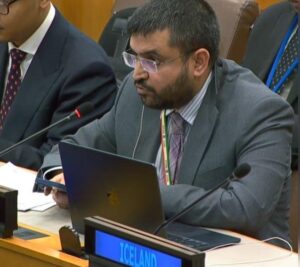
Speaking at the United Nations, Indian diplomat Raghoo Puri reportedly challenged the report’s characterisation and cautioned against using human rights frameworks to justify or downplay terrorism.
India maintained that terrorism must be addressed firmly and consistently, and that human rights principles should not be used to dilute accountability for terrorist activities. It also raised concerns about the credibility and impartiality of the report’s conclusions.
The Indian representative further reiterated New Delhi’s position that Jammu and Kashmir and Ladakh are integral and inalienable parts of India. India has consistently rejected international attempts to question its sovereignty over the two Union territories.
Dawood Ibrahim, accused of masterminding the 1993 Mumbai serial blasts, remains one of India’s most-wanted fugitives. Indian agencies have long alleged that he operates from Pakistan, although Islamabad has denied that he is present in the country.
The latest exchange highlights continuing differences between India and Pakistan over cross-border terrorism and the international community’s approach to the issue.
India has maintained that any assessment of terrorism must be based on credible evidence and must avoid language that could obscure the origins, networks or responsibility of those involved.
The dispute also reflects New Delhi’s broader concern that international reports should distinguish clearly between criminal or terrorist networks and the countries from which such groups originate or operate.