FSSAI Proposes Ban on Added Sucrose, Fructose in Infant Foods for Babies Up to Six Months
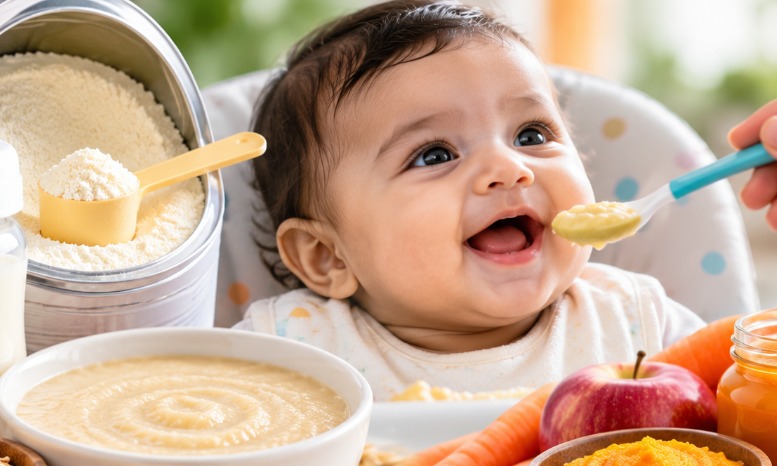
New Delhi: The Food Safety and Standards Authority of India (FSSAI) has proposed prohibiting the addition of sucrose and fructose in food products intended for infants up to six months of age, in a move to strengthen nutritional safeguards during early childhood.
The draft Food Safety and Standards (Foods for Infant Nutrition) Amendment Regulations, 2026, was published in the Gazette of India on October 16 for public consultation.
The proposed amendment states that “sucrose and fructose shall not be added in the products intended for infants up to the age of six months”.
The existing Food Safety and Standards (Foods for Infant Nutrition) Regulations, 2020, prescribe nutritional composition, quality and safety requirements for various infant nutrition products intended for children from birth to 24 months.
Under the current provisions, lactose and glucose polymers are preferred carbohydrate sources, while sucrose and fructose may be added when required, subject to prescribed limits.
The proposed amendment seeks to introduce a specific restriction on these added sugars in products intended for infants during their first six months.
FSSAI said the proposal aims to ensure that infant nutrition products meet age-appropriate requirements without unnecessary additions of sucrose and fructose. The measure also supports broader public health efforts to encourage appropriate feeding practices and address dietary risk factors associated with childhood obesity and related health concerns.
The initiative complements public health recommendations promoting exclusive breastfeeding during the first six months of life.
The draft reflects the food safety regulator’s focus on science-based standards, responsible product formulation and preventive nutrition to safeguard children’s health from infancy.
FSSAI has invited objections and suggestions from stakeholders within 60 days from the date the relevant Gazette notification is made available to the public.
The representations received within the prescribed period will be examined before the amendment is finalised. The proposed restriction will be subject to the completion of this regulatory process.